
Tecnología
Receptor Grade IGF-1 LR3 in Scientific Research and Cellular Dynamics


Receptor Grade IGF-1 LR3, a synthetic analog of insulin-like growth factor 1 (IGF-1), has emerged as a molecule of significant interest in scientific research due to its structural and functional properties. Comprising a modified amino acid sequence that supports its biological activity and stability, IGF-1 LR3 has been the subject of investigations exploring its potential impacts on cellular processes. This article delves into the molecular characteristics of IGF-1 LR3 and its hypothesized implications across various scientific domains.
Molecular Characteristics of IGF-1 LR3
IGF-1 LR3 is an extended version of native IGF-1, featuring a substitution at the third position (arginine replacing glutamic acid) and a 13-amino-acid extension at the N-terminus. These modifications confer increased binding affinity to the IGF-1 receptor while reducing its interaction with IGF-binding proteins, which may result in prolonged bioavailability and heightened activity. It has been suggested that this peptide may exhibit amplified impacts on IGF-1 receptor signaling pathways compared to its endogenous counterpart.
The peptide’s molecular stability and resistance to proteolytic degradation seem to support its potential utility in long-term experimental designs. IGF-1 LR3’s hypothesized versatility has prompted researchers to consider its implications relevant to studying cellular processes, tissue dynamics, and molecular signaling networks.
Possible Role in Cellular Processes Research
Research indicates that IGF-1 LR3 might modulate cellular proliferation and differentiation, two processes critical to cellular development and regeneration. The peptide appears to influence cell cycle progression and survival through its potential activation of the IGF-1 receptor and downstream signaling cascades, such as the PI3K/Akt and MAPK pathways. These properties suggest that IGF-1 LR3 might serve as a valuable tool for investigations into tissue engineering and regenerative biology.
For example, research models suggest the peptide may support the proliferation of certain cell types, including fibroblasts, myoblasts, and osteoblasts, making it a candidate for exploring tissue-specific growth dynamics. Additionally, the peptide’s potential to promote differentiation in progenitor and stem cells highlights its utility in stem cell biology and related implications.
Implications for Muscle Cell and Skeletal Research
The hypothesized impact of IGF-1 LR3 on muscle cells and skeletal systems has garnered interest in fields such as biomechanics and orthopedics. Studies suggest that the peptide may contribute to investigations of myogenesis, the process by which muscular tissue fibers form and mature. Its potential role in supporting protein synthesis and reducing protein degradation pathways suggests a utility in exploring muscular tissue growth and repair mechanisms under controlled conditions.
In skeletal research, IGF-1 LR3 might serve as a model peptide for examining osteogenic processes. Studies suggest it may stimulate osteoblast proliferation and activity, thereby facilitating bone matrix deposition. This property has led to its speculative implications in the study of bone density regulation and the molecular basis of bone pathologies.
Exploring Neuroprotective and Cognitive Mechanisms
Emerging theories propose that IGF-1 LR3 might play a role in neuronal integrity and cognitive function. The peptide’s interaction with IGF-1 receptors in neural tissues may activate signaling pathways implicated in neurogenesis, synaptic plasticity, and cellular resilience. Researchers are hypothesizing its implications in models investigating neurodegenerative conditions and neural repair mechanisms.
Furthermore, the peptide’s potential to support axonal growth and reduce apoptosis in neuronal cultures suggests it may provide insights into nervous system regeneration. By employing IGF-1 LR3 in experimental frameworks, scientists may uncover new facets of neurobiological resilience and adaptation.
Implications in Metabolic Research
IGF-1 LR3’s interaction with metabolic pathways may make it an invaluable tool for studying cellular energy balance and nutrient metabolism. Its hypothesized impacts on glucose uptake and lipid metabolism indicate potential implications in modeling metabolic disorders. By examining the peptide’s influence on insulin signaling and related pathways, researchers might elucidate mechanisms underlying metabolic regulation and dysfunction.
The peptide’s proposed potential to modulate cellular energy dynamics might also inform studies of mitochondrial function and oxidative stress. Thus, IGF-1 LR3 is a candidate for investigating metabolic adaptations under varying environmental or physiological conditions
Insights into Cellular Aging and Longevity
Cellular aging is marked by declines in cellular and systemic functions, often associated with reduced IGF-1 signaling. Researchers have theorized that IGF-1 LR3 may be of interest in investigating mechanisms of cellular aging and longevity, particularly in the context of cellular senescence and cellular vitality. Research indicates that by modulating IGF-1 receptor activity, the peptide might provide insights into the interplay between growth signaling and lifespan.
Experimental models might employ IGF-1 LR3 to explore the balance between anabolic and catabolic processes in cellular aging tissues. Additionally, its potential to influence autophagy and proteostasis may yield valuable data on maintaining cellular homeostasis during cellular aging.
Advancing Wound Research
The peptide’s possible role in cellular proliferation and migration suggests it might hold promise for research into wound healing and tissue repair. Investigations purport that by potentially accelerating the re-epithelialization process and supporting extracellular matrix remodeling, IGF-1 LR3 may serve as a model peptide for studying complex wound dynamics. Its hypothesized impacts on angiogenesis and the formation of new blood vessels further underscore its potential relevance in this domain.
Researchers might explore how IGF-1 LR3 modulates the interaction between different cell types involved in wound repair, such as keratinocytes, fibroblasts, and endothelial cells. This might inform broader investigations into tissue regeneration and recovery following injury.
Concluding Remarks
Receptor Grade IGF-1 LR3 presents a compelling avenue for scientific exploration across multiple domains. Findings imply that its structural modifications and hypothesized impacts on signaling pathways position it as a versatile molecule for probing fundamental biological processes. It has been hypothesized that from cellular proliferation and differentiation to metabolic regulation and cellular aging, IGF-1 LR3’s potential implications might extend to numerous areas of cellular research.
While the peptide’s full scope of impacts remains to be elucidated, ongoing investigations continue to highlight its relevance in advancing scientific understanding. It has been theorized that by leveraging the properties of IGF-1 LR3, researchers might unlock new perspectives on the molecular mechanisms that govern life and adaptation. Receptor Grade IGF-1 LR3 is available for sale online, but only to licensed professionals. This article serves educational purposes and should be treated as such.
References
[i] Zhang, X., & Li, Y. (2022). IGF-1 and its analogs in wound healing and tissue regeneration: Mechanisms and therapeutic potential. Journal of Investigative Dermatology, 142(11), 2749–2762. https://doi.org/10.1016/j.jid.2022.05.010
[ii] Walker, R. D., & Sutherland, E. S. (2020). Insulin-like growth factor analogs in aging research: Implications for aging-related pathologies. Aging Cell, 19(5), e13274. https://doi.org/10.1111/acel.13274
[iii] Nardone, R., & Vavassori, V. (2021). The molecular signaling of IGF-1 in muscle regeneration and repair: Focus on IGF-1 LR3. Muscle & Nerve, 63(4), 453–461. https://doi.org/10.1002/mus.27183
[iv] Finkelstein, J. W., & Brown, R. M. (2020). Role of growth factors and their receptors in musculoskeletal regeneration. Journal of Bone and Mineral Research, 35(9), 1622–1631. https://doi.org/10.1002/jbmr.4067
[v] Artz, S. W., & McLellan, S. A. (2019). Insulin-like growth factor-1 (IGF-1) analogs in regenerative medicine: Current understanding and future applications. Journal of Translational Medicine, 17(1), 72–85. https://doi.org/10.1186/s12967-019-1883-0
Tecnología
Colegio Joseph Lancaster campeón nacional y representará a Venezuela en Olimpiada Mundial de Robótica

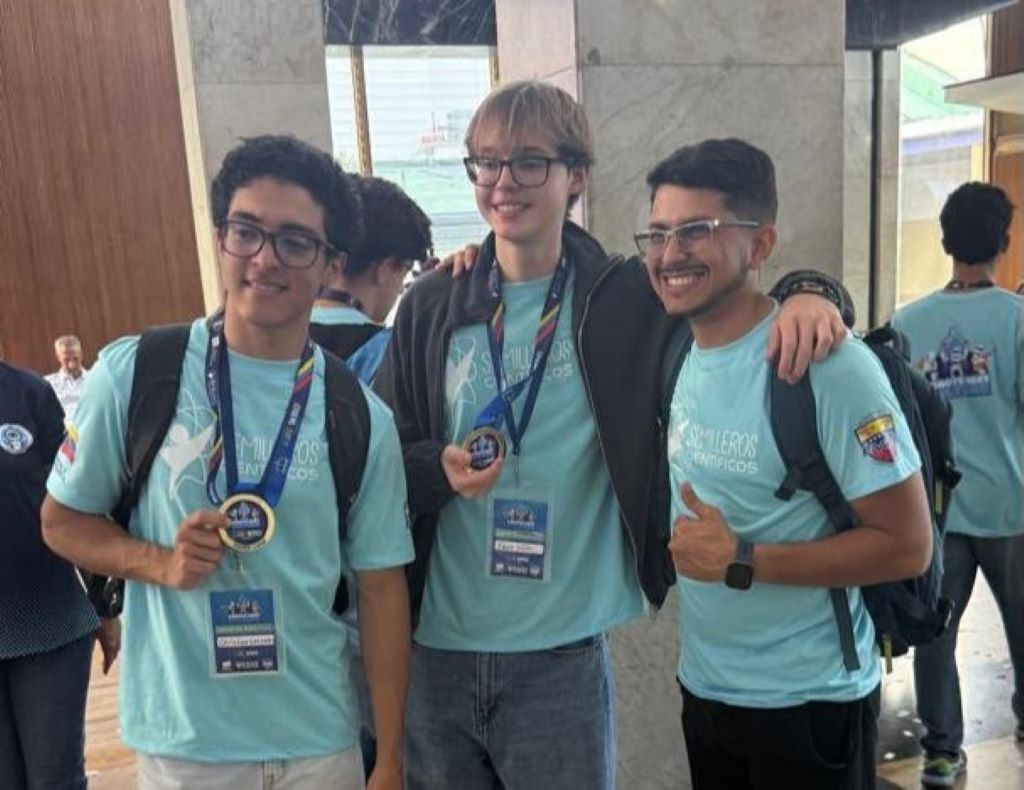
Colegio Joseph Lancaster campeón nacional y representará a Venezuela en Olimpiada Mundial de Robótica. El equipo los Trembos dejaron en alto los colores de Carabobo al brillar una vez más en Venezuela al tener una destacada actuación en la Olimpiada Nacional de Robótica, efectuada los días 17 y 18 de septiembre en Caracas.
Los equipos contaron con el respaldo de Genios Consultoría tuvieron un extraordinario desempeño en distintas categorías.
La delegación regional no solo aseguró puestos de gran relevancia en el evento, sino que también protagonizó una emocionante final 100 por ciento carabobeña en la categoría de deportes robóticos.
Colegio Joseph Lancaster campeón nacional de Robótica
En esta disciplina, el equipo los Trembos, perteneciente al colegio Joseph Lancaster, se consagró y obtuvo un histórico bicampeonato, al tiempo que el equipo LEAI, del colegio Betania se adjudicó el segundo lugar de esta misma categoría.
“Con este destacado triunfo, los Trembos del Colegio Joseph Lancaster consiguieron su pase para representar a Venezuela en la Olimpiada Mundial que se llevará a cabo durante el mes de diciembre en Puerto Rico, consolidando así el esfuerzo y talento de los jóvenes innovadores de la región, convirtiéndose en orgullo para nuestro estado y para quienes formamos parte de la gran familia Genios Consultoría”, destacó Melissa Beaumont, vocera de esta organización.
ACN/MAS/NDP
No deje de leer: IUTA y Academia Avefin firman convenio para impulsar estudios postdoctorales en IA


Ejecutan trabajos de remodelación en sede de “Misión Sonrisa” en CHET de Valencia
CompartirEjecutan trabajos de remodelación en sede de “Misión Sonrisa” de la “Ciudad Hospitalaria Dr. Enrique Tejera” (CHET) del municipio Valencia....

Gobernador Lacava anuncia incorporación de nuevos megavatios al SEN
CompartirEl gobernador de Carabobo, Rafael Lacava anuncia incorporación de nuevos megavatios al Sistema Eléctrico Nacional (SEN) en los próximos días,...
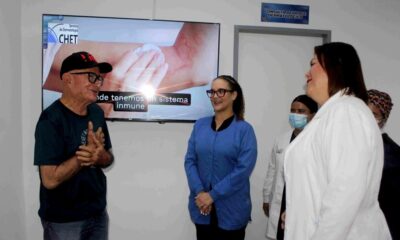

Entre 100 y 200 pacientes diarios atiende “Servicio de Dermatología Dr. Fernando Aguilera” de la CHET
CompartirLas renovadas áreas de la Consulta Externa del Servicio de Dermatología Dr. Fernando Aguilera de la “Ciudad Hospitalaria Dr. Enrique...



Alexander «Mimou» Vargas detenido por segunda vez en Maiquetía (+ video)
CompartirEl exviceministro del Deporte Alexander “Mimou” Vargas detenido por segunda vez la noche del viernes, 25 de septiembre, en el...


Sunaval alerta sobre posibles estafas con propuestas de inversión en redes sociales
CompartirLa Superintendencia Nacional de Valores, Sunaval alerta sobre posibles estafas con propuestas de inversión en redes sociales (RR.SS.) a los...


Tragedia en La Yaguara: gandola sin frenos impactó 12 vehículos deja al menos tres fallecidos y 15 heridos (+ video)
CompartirTragedia en La Yaguara. Una mañana de viernes violenta e imprevista sacudió este 25 de septiembre al oeste de la...


Asesinan a tiros a dueño de restaurante en Valencia
CompartirAsesinan a tiros a dueño de restaurante en Valencia entre la medianoche del jueves 24 y la madrugada de este...


Móvil económico genera doble homicidio y secuestro en Barinas
CompartirUn móvil económico genera doble homicidio y secuestro ocurrido en el urbanismo La Gran Villa, municipio Obispos, del estado Barinas...
-
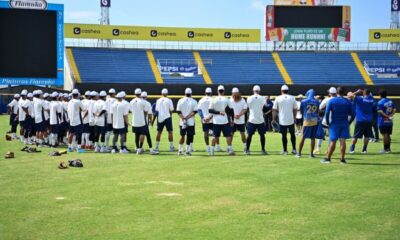
 Deportes18 horas ago
Magallanes inició entrenamientos rumbo hacia el bicampeonato de LVBP (+ galería)
-

 Nacional21 horas ago
Detectan reactivación de 84 dominios web en Venezuela, dice VE Sin Filtro
-

 Política24 horas ago
Postulaciones al TSJ serán evaluadas por mesa de diálogo nacional (+ video)
-
Sucesos23 horas ago
Alexander «Mimou» Vargas detenido por segunda vez en Maiquetía (+ video)